
未分类
Oversized is Not a Trend, It’s a Lifestyle
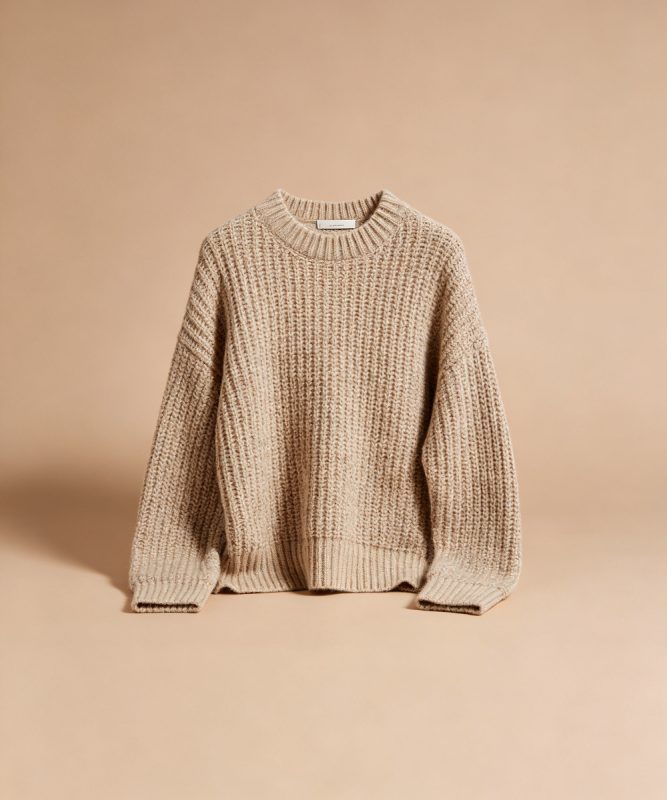
May
Why the oversize silhouette has outlasted every micro-trend that tried to replace it — and how to wear it without disappearing into it.
The oversize look is easy to mock. It looks like you borrowed your older brother’s jacket, your dad’s sweater, someone else’s proportions entirely. But that’s precisely the point. Oversized dressing is a rebellion against the tyranny of the perfectly tailored, the perfectly fitted, the perfectly commercial.
It’s about proportion, not just size
The mistake most people make with oversize is thinking it means “buy two sizes up.” It doesn’t. It means choosing pieces whose proportions work together — a roomy top paired with a slim bottom, or a wide leg pant balanced by a fitted knit. The silhouette needs a shape, not just volume.
The fabric matters more than ever
Oversized pieces live or die by their fabric. Cheap oversize looks like a tent. Expensive oversize looks like a deliberate choice. Heavyweight cotton, structured wool, dry silk — these hold their shape and create clean lines even when cut generously. Lighter fabrics drape, which is fine if you want the slouchy look, but they won’t give you that structured “it’s intentional” silhouette.
Why it’s here to stay
Oversize outlasted normcore, athleisure, and every “quiet luxury” cycle because it’s not actually a trend. It’s a way of moving through the world comfortably. It’s a jacket you can wrap yourself in on a cold commute, a sweater that survives a long flight, a pant that moves with you. That’s not fashion. That’s utility that happens to look good.
